perceive / grown
Desire Paths
Where people actually walk
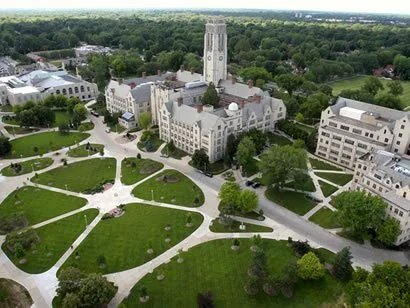
When Michigan State University’s campus was first developed in the early 1900s, architects had limited concrete. Students walked through grass. The same routes wore down over semesters, creating a lattice of informal trails.
In 1914, architect Joseph N. Bradford used a hot air balloon to photograph the paths students had carved in winter snow. Those trails became the paved walkways still used today.
UC Irvine tried the same experiment in the 1960s: grass everywhere, no sidewalks. After a year, patterns emerged. Some were predictable — straight lines between buildings. Others curved to follow shade or avoid wind tunnels.
When they finally paved, they paved reality instead of theory.
!! When they finally paved, they paved reality instead of theory.
A desire path is the gap between intended use and actual use, made visible. The folder structure your team actually uses versus the one IT mandated. The keyboard shortcuts people invent versus the menu hierarchy. The workarounds in your codebase versus the intended architecture.
Most product design works backward: decide how people should behave, build for that, then get frustrated when they don’t comply.
Every desire path is information. It says: your model of how this should work doesn’t match how people actually work.
The question is whether you pave the path or put up a fence.
Go Deeper
Books
- The Image of the City by Kevin Lynch — Urban planning classic. How people navigate and perceive cities.
- The Design of Everyday Things by Donald Norman — On designing for how people actually behave, not how they should.
Essays
- 99% Invisible podcast episode “Least Resistance” — Excellent audio treatment of desire paths in urban design.
- “Desire paths: How UI designers can learn from the ways we walk around” — Applies the concept to digital product design.